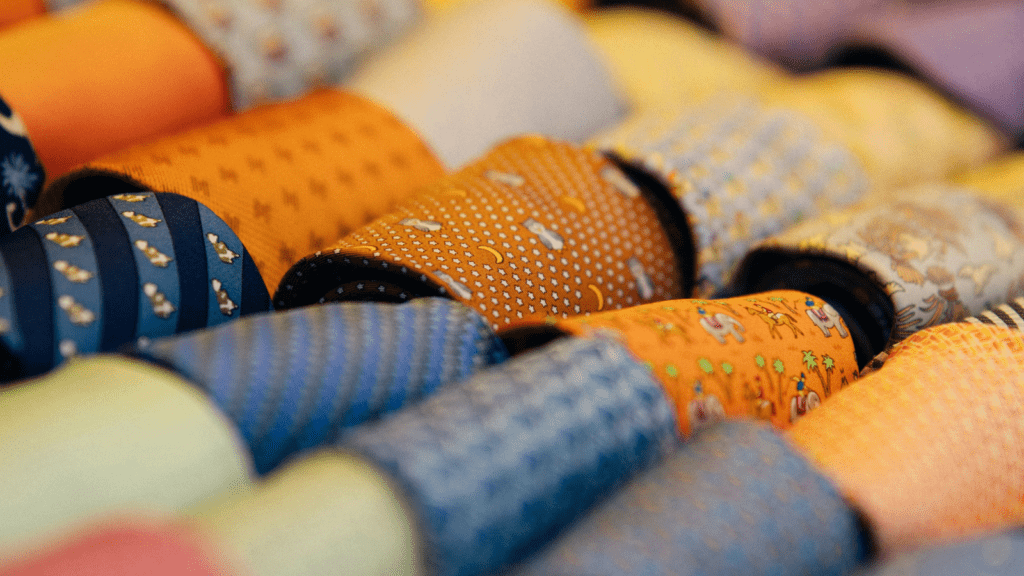
Fashion and science are no longer operating in silos. Today, the future of fashion is being engineered in laboratories, research institutes, and advanced manufacturing hubs. From bio-engineered fabrics to nanotechnology and 3D printing, Textiles 2.0 represents a fundamental shift in how clothing is developed, produced, and valued.
Across BRICS+ nations, this transformation is accelerating, positioning the bloc as a key driver of next-generation textile innovation.

Science-Led Materials Shaping the Future of Fashion
Modern textiles are no longer defined only by aesthetics. They are the outcome of scientific research focused on sustainability, performance, and efficiency.
Key material innovations include:
- Bio-based and lab-grown fabrics derived from algae, mycelium, and agricultural waste.
- Nanomaterials that improve strength, breathability, and temperature regulation.
- 3D-printed textiles enabling zero-waste production and customization.
- Smart fabrics integrated with sensors for health, mobility, and adaptive wear.
These technologies are redefining fashion as a knowledge- and innovation-driven industry.
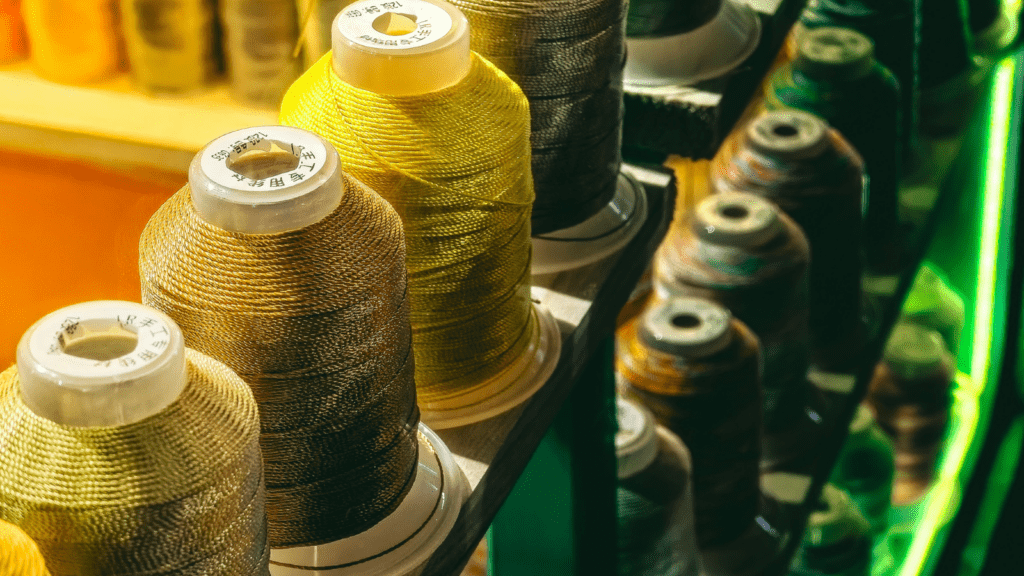
Sustainability Meets Science: A Global Market Shift
Climate challenges and resource constraints are pushing fashion toward scientific solutions. According to Eco Fibers Market Research, the global market for eco-friendly fibers reached $52.8 billion in 2022 and is projected to double by 2032, highlighting the scale of opportunity.
Scientific advancements are enabling:
- Reduced water and chemical usage
- Lower carbon emissions
- Circular and biodegradable material systems
- Alternatives to petroleum-based synthetics
Sustainability is becoming a technological standard.

BRICS+ Countries as Hubs of Textile Innovation
BRICS+ nations are emerging as critical centers of textile science by combining research capabilities with manufacturing scale.
- India is advancing bio-textiles, recycled fibers, and sustainable cotton innovation alongside its traditional textile strengths
- China leads in smart fabrics, nanotechnology, and large-scale material R&D integrated with digital supply chains
- Brazil is exploring bio-based textiles inspired by biodiversity, using natural fibers and regenerative materials
- South Africa is developing innovation at the intersection of indigenous knowledge, sustainable materials, and contemporary design
- New BRICS+ members are contributing through alternative fibers, resource-based innovation, and regional manufacturing capabilities
Together, these efforts position BRICS+ as a collective force shaping the future of global textiles.
Why Global Collaboration Matters Now
The next phase of textile innovation cannot happen in isolation. It requires:
- Cross-border research collaboration
- Shared sustainability and material standards
- Strong links between scientists, manufacturers, designers, and policymakers
This is where the BRICS+ Fashion & Lifestyle Summit 2026 becomes critical.
The BRICS+ Fashion & Lifestyle Summit 2026
The BRICS+ Fashion & Lifestyle Summit 2026 provides a strategic platform for:
- Showcasing science-led textile innovations from BRICS+ countries
- Connecting material scientists, fashion brands, manufacturers, and investors
- Advancing dialogue on sustainable materials and future technologies
- Enabling partnerships that translate research into scalable fashion solutions
As Textiles 2.0 reshapes the industry, the summit positions BRICS+ not just as participants but as leaders of the next fashion revolution.
Looking Ahead: Engineering the Future of Fashion
Textiles 2.0 signals a shift from trend-driven fashion to science-driven systems. For BRICS+ nations, this transformation represents a strategic opportunity to lead in sustainable materials, technological innovation, and global collaboration.The future of fashion will not only be designed, it will be engineered.
And in 2026, the BRICS+ Fashion & Lifestyle Summit will be where that future comes together.